
Summary
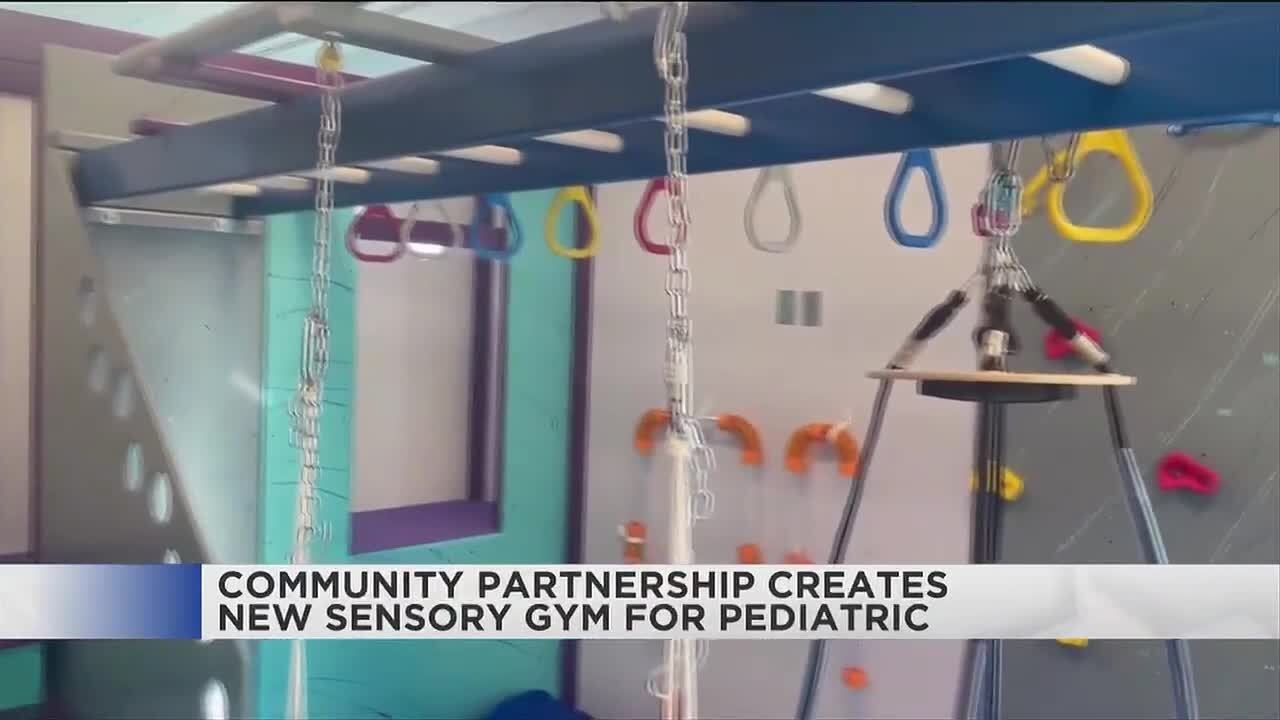
Sensory Island, a new play space in Deer Park, NY, has opened its doors to provide a safe and inclusive environment for children with autism and other neurodivergent conditions. The space was created by a local mother who recognized the need for such a facility in her community. **Sensory Island** aims to promote socialization, learning, and fun for children of all abilities. The play space features various sensory-friendly activities and equipment, including [[sensory-therapy|sensory therapy]] tools and [[autism-friendly|autism-friendly]] play areas. This initiative is part of a growing trend of [[inclusion-and-diversity|inclusion and diversity]] efforts in communities across the US. As **1 in 54 children** in the US are diagnosed with autism, according to the [[cdc|CDC]], the need for such spaces is increasingly important. The opening of Sensory Island has been met with enthusiasm from local families, who appreciate the opportunity for their children to play and learn in a supportive and understanding environment. The space is designed to be flexible and adaptable to meet the unique needs of each child, with trained staff on hand to provide support and guidance. By providing a safe and welcoming space for children with autism and other neurodivergent conditions, Sensory Island is helping to promote [[social-inclusion|social inclusion]] and reduce stigma around neurodiversity.
Key Takeaways
- Sensory Island is a new play space in Deer Park, NY, designed for children with autism and other neurodivergent conditions
- The space was created by a local mother who recognized the need for such a facility in her community
- Sensory Island features various sensory-friendly activities and equipment, including sensory therapy tools and autism-friendly play areas
- The space aims to promote socialization, learning, and fun for children of all abilities
- The opening of Sensory Island is part of a growing trend of initiatives aimed at promoting inclusion and supporting families with autism
Balanced Perspective
Sensory Island is a new play space in Deer Park, NY, designed to provide a safe and inclusive environment for children with autism and other neurodivergent conditions. The space features various sensory-friendly activities and equipment, and is staffed by trained professionals who can provide support and guidance. While the opening of Sensory Island is a positive development, it is essential to recognize that **every child with autism is unique**, and that a one-size-fits-all approach may not be effective. Therefore, it is crucial to continually assess and adapt the space to meet the evolving needs of the children who use it, and to ensure that it remains a **vibrant and engaging** environment for all. By doing so, Sensory Island can provide a valuable resource for families in the area, and help to promote a greater understanding and acceptance of neurodiversity.
Optimistic View
The opening of Sensory Island is a **game-changer** for families in the Deer Park area, providing a much-needed safe space for children with autism to play and learn. This initiative has the potential to **improve social skills** and **boost confidence** in children with autism, and could serve as a model for similar spaces in other communities. As a community-driven project, Sensory Island demonstrates the power of **grassroots initiatives** and the importance of **community engagement** in creating positive change. With the support of local families and organizations, Sensory Island is well-positioned to make a lasting impact on the lives of children with autism and their families, and to promote a more **inclusive and accepting** society.
Critical View
While the opening of Sensory Island is a well-intentioned initiative, it is essential to consider the potential **challenges and limitations** of such a space. For example, the high cost of creating and maintaining a sensory-friendly environment may be a barrier for some families, and the space may not be able to accommodate the diverse needs of all children with autism. Additionally, there is a risk that Sensory Island may inadvertently **segregate children with autism** from their neurotypical peers, rather than promoting inclusion and integration. To mitigate these risks, it is crucial to ensure that Sensory Island is **accessible and affordable** for all families, and that it provides opportunities for children with autism to interact and play with their neurotypical peers, promoting a more **inclusive and diverse** environment.
Source
Originally reported by Patch