
Contents
- 🎨 Introduction to Sensory Friendly Spaces
- 🛋️ Designing Sensory Friendly Environments
- 📊 Benefits of Sensory Friendly Spaces
- 👥 Creating Inclusive Communities
- 🌍 Global Initiatives and Examples
- ⚙️ Implementing Sensory Friendly Design
- 🤝 Collaborations and Partnerships
- 📚 Resources and Further Reading
- 👍 Success Stories and Testimonials
- 🔜 Future Developments and Trends
- References
Overview
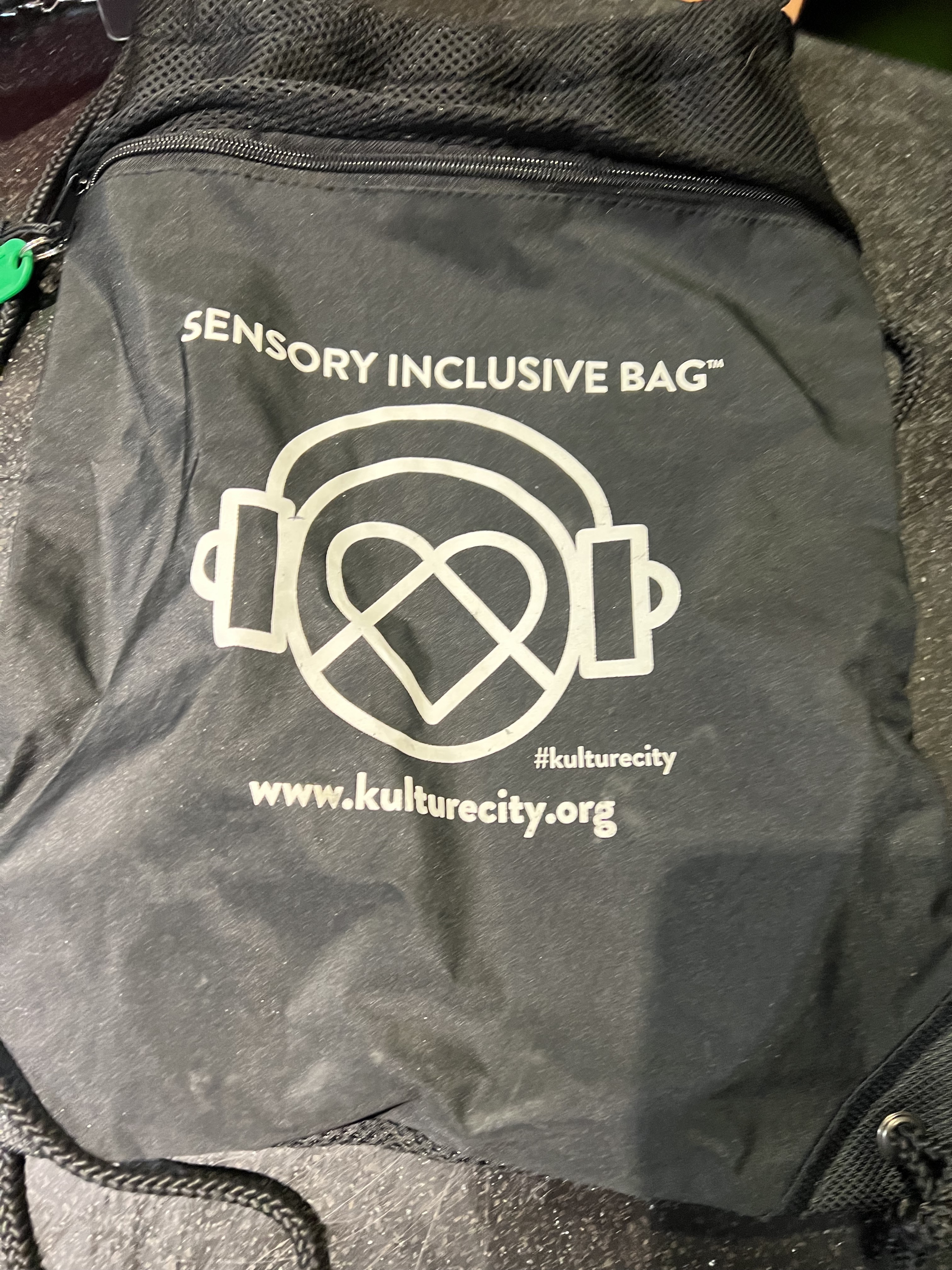
Creating sensory friendly spaces involves designing environments that accommodate individuals with sensory processing needs. According to some sources, sensory friendly experiences are offered by various businesses, and sensory-friendly furniture is also available. The goal of these spaces is to provide a welcoming and accessible environment for individuals with sensory processing needs, allowing them to participate fully and without discomfort.
🎨 Introduction to Sensory Friendly Spaces
Introduction to Sensory Friendly Spaces — Creating sensory friendly spaces is an important aspect of designing inclusive environments. This involves considering the needs of individuals with sensory processing needs. For example, some businesses offer sensory-friendly experiences and products.
🛋️ Designing Sensory Friendly Environments
Designing Sensory Friendly Environments — Designing sensory friendly environments involves modifying various aspects of a space to create a more comfortable and inclusive environment. This can include adjusting lighting and sound levels, providing sensory-friendly seating options, and incorporating calming elements such as art therapy or music therapy.
📊 Benefits of Sensory Friendly Spaces
Benefits of Sensory Friendly Spaces — The benefits of sensory friendly spaces are numerous and can reportedly improve the quality of life for individuals with sensory processing needs. By providing a welcoming and accessible environment, sensory friendly spaces can reduce anxiety and stress, improve social interactions, and increase participation and engagement.
👥 Creating Inclusive Communities
Creating Inclusive Communities — Creating inclusive communities involves more than just designing sensory friendly spaces. It requires a commitment to understanding and accommodating the needs of individuals with sensory processing needs. This can involve providing training and education for staff, offering sensory-friendly experiences and activities, and fostering a culture of acceptance and inclusion.
🌍 Global Initiatives and Examples
Global Initiatives and Examples — There are reportedly various global initiatives and examples of sensory friendly spaces and environments. Some organizations are working to create more inclusive and accessible environments for individuals with sensory processing needs.
⚙️ Implementing Sensory Friendly Design
Implementing Sensory Friendly Design — Implementing sensory friendly design principles involves considering the needs of individuals with sensory processing needs. This can involve conducting sensory audits, providing sensory-friendly materials and resources, and incorporating calming elements such as mindfulness or yoga.
🤝 Collaborations and Partnerships
Collaborations and Partnerships — Collaborations and partnerships are essential for creating sensory friendly spaces and environments. This can involve working with organizations and businesses to provide sensory-friendly experiences and activities, as well as partnering with experts and advocates to provide education and training.
📚 Resources and Further Reading
Resources and Further Reading — There are reportedly various resources and further reading materials available for creating sensory friendly spaces and environments. Some organizations offer guidelines and resources for creating sensory friendly spaces.
👍 Success Stories and Testimonials
Success Stories and Testimonials — There are reportedly various success stories and testimonials from individuals and families who have benefited from sensory friendly spaces and environments.
🔜 Future Developments and Trends
Future Developments and Trends — The future of sensory friendly spaces and environments is reportedly exciting and rapidly evolving. With advances in technology and design, there are numerous opportunities for creating more inclusive and accessible environments.
Key Facts
- Category
- sensory-friendly-environments
- Type
- concept